
 Search
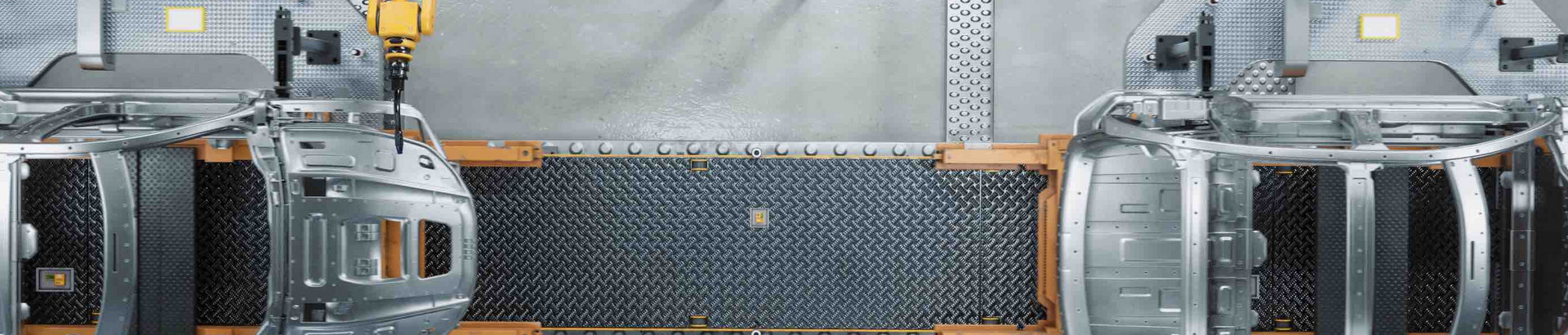
The Oemeta HYCUT and NOVAMET metalworking fluids for increased efficiency in automotive production.
For many years, Oemeta has been involved in the automotive production process and various process optimisations as well as efficiency improvements in the manufacture of future-oriented engines. In addition to the HYCUT product system, which solves interface problems of various fluids, the products of the NOVAMET range meet the very latest requirements in terms of freedom from FAD, boron and biocides and offer the lowest possible consumption due to good run-off and fluid stability.
Transformation of the Automotive Industry
The automotive industry—from private transportation and public transit to freight and heavy-duty transport—faces growing demands for energy efficiency, resource conservation, and emissions reduction.
Since Nikolaus August OTTO introduced the four-stroke cycle for the internal combustion engine in 1862, improving energy efficiency has been the central focus of the automotive industry’s development efforts. The primary goals were to increase engine power and reduce its size so that it could be effectively utilized in vehicles.
The magnesium motor and HYCUT.
In view of the energy crisis and modern-day environmental issues, the industry’s focus is now on even greater efficiency. The implementation of a magnesium motor can be seen as exemplary here since it offers considerable benefits over conventional motors in terms of weight. Machining this engine with water miscible metalworking fluids requires exceptional expertise and know-how as well as close cooperation between users and metalworking fluids manufacturers. It has been possible to ensure safe and efficient series production using Oemeta’s two-component metalworking fluid HYCUT.
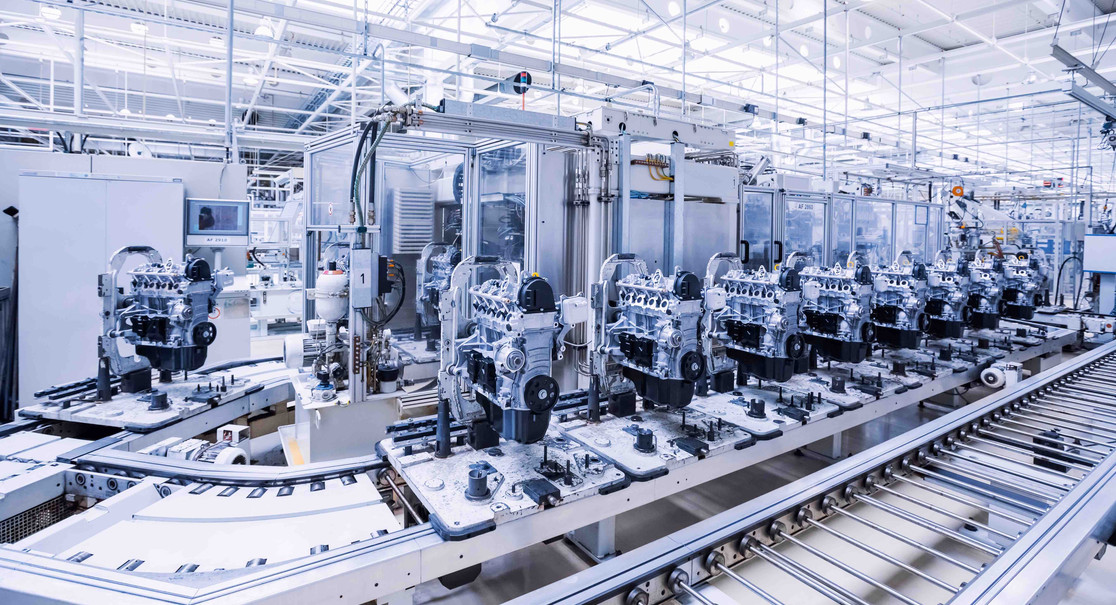
HYCUT and NOVAMET maximise efficiency.
The HYCUT system consists of ester-based oils that are compatible with each other when used as machining oils, metalworking fluids or cleaners. The NOVAMET products meet all requirements for FAD-, boron- and biocide-free use with low consumption due to good run-off and fluid stability.
Oemeta as an innovative MWF partner for mobility companies in transition.
Today, it is highly questionable whether automotive manufacturers without a capacity for agile transformation – whether OEMs or the entire supply chain – will be able to survive at all, in fact this seems impossible in the foreseeable future. The issue of energy recuperation and alternative drive systems is vital to the modern mobility structure.
Numerous new players are conquering the market.
In the early days, visionary forerunners of electric mobility (BMW I3/I8) were only affordable for an elite: it was not until Tesla took the market by storm that a development was set in motion to make electric mobility a valid alternative.
Numerous new players are entering the electric vehicle market, but component manufacturers are largely emerging from established suppliers that have undergone transformation. Further increasing quality demands in terms of surfaces and part accuracy require continuous improvement processes. Modern Oemeta metalworking fluids contribute to this success.
Increasing Demands on the Supply Chain
In addition, OEMs are placing increasingly stringent requirements on their supply chains—including in the areas of carbon footprint assessment, responsible corporate governance, occupational safety, data protection, and information security.
Topics such as CSR (Corporate Social Responsibility), CCF (Corporate Carbon Footprint), PCF (Product Carbon Footprint), LCA (Life Cycle Assessment), GDPR (General Data Protection Regulation), and TISAX (Trusted Information Security Assessment Exchange) are therefore also relevant aspects of Oemeta’s collaboration with customers and partners.
In addition to cost-effectiveness and performance, our processes also take into account requirements for occupational safety, compliance, information security, and the responsible use of resources.


 Germany
